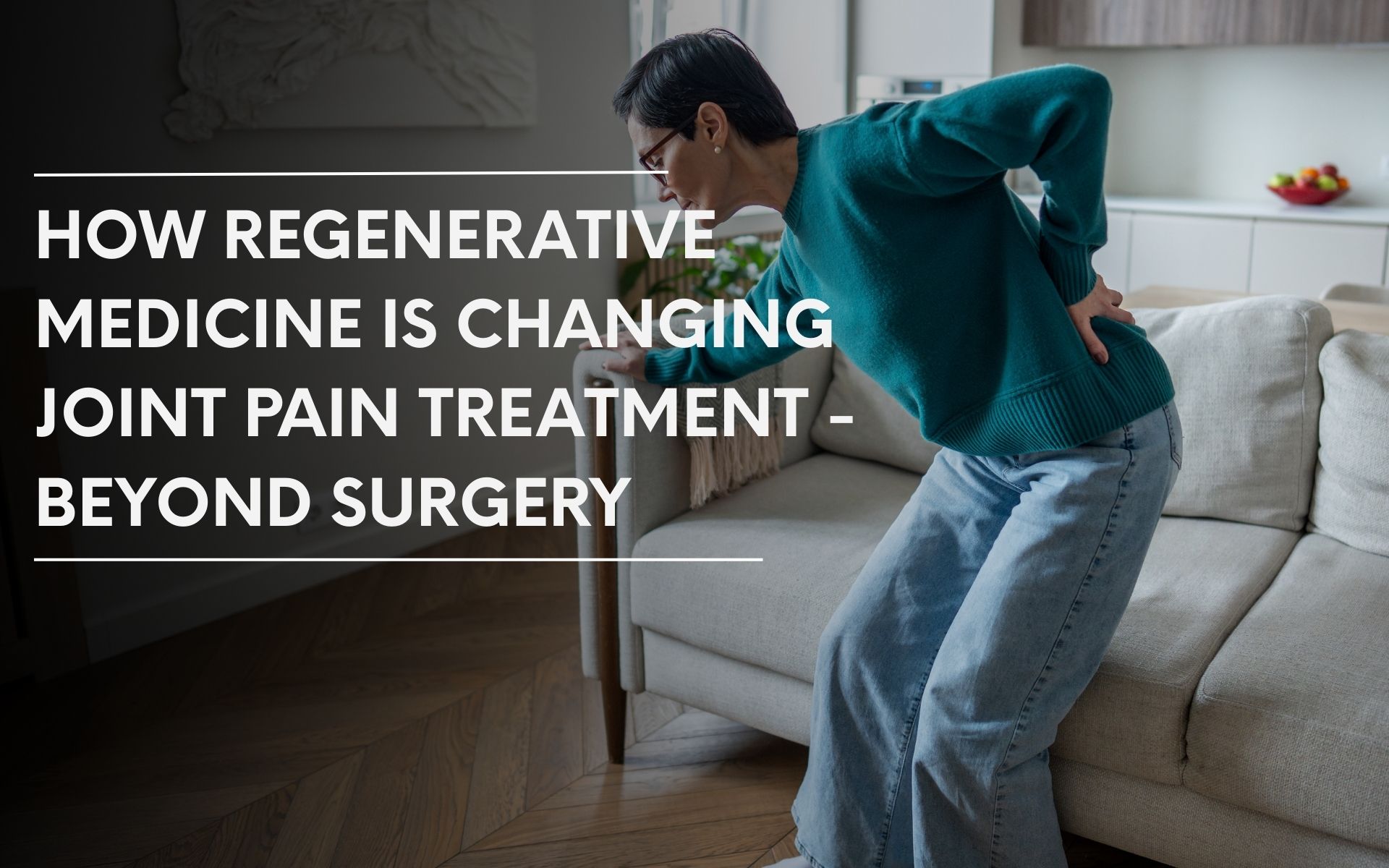
How Regenerative Medicine Is Changing Joint Pain Treatment – Beyond Surgery with orthobiologix
Joint pain has always been a common problem, not restricted by age or lifestyle. Joint pain resulting from wear and tear, injuries, or pre-existing joint problems can create mobility issues for a patient. The conventional way of handling joint pain involved pain management medications or, in severe cases, surgery. Even now, those methods have been proven to be effective, but a paradigm shift has occurred with the introduction of regenerative medicine, an entirely different approach to dealing with joint pain, shifting emphasis from pain management to the healing abilities of the body.
Regenerative medicine is a modern, patient-centered approach to joint care, emphasizing biological treatments that work harmoniously with the body rather than relying on invasive procedures. It has reshaped joint pain treatment, and regenerative solutions have offered people effective, non-surgical options that better match their long-term health objectives.
Moving Beyond Conventional Approaches to Joint Pain
Commonly available arthritis treatments may include temporary relief of joint pain. Medications or injections may be beneficial in managing arthritis symptoms, but they may not necessarily target the cause of joint deterioration or stress. Some surgery interventions may be considered but may involve lengthy recovery periods. Surgery may also not be suitable or considered by all.
Regenerative medicine changes this narrative by offering a solution that supports repair and recovery from within. It encourages the body to actively participate in the healing process, promoting gradual improvement rather than short-term relief. This approach appeals to individuals seeking sustainable outcomes without the disruption of surgery.
A Non-Invasive and Patient-Centered Option
The most defining characteristic of regenerative treatments is their non-invasiveness. Aside from the need for surgical interventions, most of these therapies involve only minimal procedural steps and are designed to minimize physical stress on the body. This classifies them as a popular option for patients desiring to avoid surgery or who are not the ideal candidate for an invasive procedure.
Being non-invasive also means reduced downtime. Patients are often able to resume their daily routines sooner, under professional guidance, without the extended recovery associated with surgical care. This aspect alone has made regenerative medicine an increasingly attractive option for managing joint pain in a practical and patient-friendly manner.
Supporting the Body’s Natural Healing Ability
The driving force behind regenerative medicine is to enhance the body’s ability to heal itself. Rather than relying on external materials or technologies, regenerative therapies incorporate biologic components.
Such an approach favors people who prefer treatments that work in sync with their bodies. Regenerative medicine is expected to, over time, improve joint function, alleviate pain, and increase flexibility as it creates a favorable environment for joint healing and support.
A Progressive and Sustainable Healing Process
Unlike conventional treatments, which aim to manage symptoms, regenerative medicine adopts a progressive approach towards healing. The treatment often leads to a gradual recovery, due to the body’s natural healing processes. The result is a sustainable approach towards a healthy joint.
Patients often appreciate this steady approach, as it prioritizes consistency and overall well-being rather than short-lived relief. By encouraging long-term improvement, regenerative treatments help individuals regain confidence in movement and daily activities.
Flexibility Across Different Joint Conditions
Regenerative medicine is also revolutionizing joint pain management due to its versatility. It can be categorized by different joint concerns, from early-stage pain to long-term mobility issues. This versatility of the treatment allows practitioners to develop tailored approaches for different individuals, rather than a single remedial measure for all.
The personalized approach to regenerative treatment means that all treatment choices result from expert assessment. This approach leads to greater patient confidence.
Modern Regenerative Joint Care
In regenerative medicine, therapies used to support joints and aid tissue recovery include PRP Therapy and Stem Cell Therapy. Both of these methods are designed to stimulate the body’s healing processes. Both of these therapies are usually considered on the basis of some health considerations, rather than determining that one method of healing is better than the other. It is important to note that a patient should consider the method that best aligns with their healing objectives, with the help of an orthopedic healthcare professional like Orthobiologix.
Why Patients Are Choosing Regenerative Medicine
The increased demand for these regenerative procedures is clearly a result of several key factors. Patients are clearly attracted to a non-surgical treatment, a philosophy that focuses on natural healing, and a concept that encourages long-term change. Moreover, the field promotes a proactive approach to health rather than a reactive one, where problems are addressed only after they aggravate.
This is a sign of a wider trend in healthcare toward a more personalized, minimally invasive approach to treatment.
The Role of Professional Guidance in Regenerative Care
Despite the promising potential of regenerative medicines, it is always important to seek professional advice. A professional healthcare provider is a vital component in evaluating one’s joints, providing treatment, and supporting recovery.
Regular assessment and follow-through will therefore ensure that the treatment regime is aligned with the patient’s progress. Such close expert supervision will ensure safety and efficiency in treatment, successfully guiding the patient through the entire process.
Enhancing Outcomes Through Lifestyle Support
Regenerative treatment is most effective when supported by healthy lifestyle choices. Maintaining appropriate activity levels, following professional advice, and prioritizing overall wellness can complement the healing process. Patients who actively engage in their care plan often experience more consistent and meaningful progress.
This holistic approach reinforces the idea that regenerative medicine is not a standalone solution but part of a broader commitment to joint health and well-being.
Conclusion
Regenerative medicine is redefining how joint pain is treated—offering a non-invasive, patient-centered alternative that moves beyond surgery. By supporting the body’s natural healing abilities, these treatments provide a pathway toward sustainable joint health, improved mobility, and enhanced quality of life.
For individuals seeking expert guidance and personalized regenerative care, Orthobiologix Clinic in Mumbai offers professional evaluation and treatment options designed to align with individual health needs and long-term recovery goals.
Disclaimer: The information in this article is intended for educational purposes only and should not replace professional medical advice. Please consult a qualified orthopaedic specialist for diagnosis and treatment recommendations.
KEYWORDS:
regenerative medicine for joint pain treatment, non-surgical joint pain treatment options, regenerative therapy for chronic joint pain, natural healing for joint pain without surgery, patient-centered regenerative joint care, alternatives to surgery for joint pain relief, regenerative treatments for arthritis and joint wear, PRP and stem cell therapy for joint healing, how regenerative medicine helps joint recovery, biologic treatments for joint pain management, sustainable joint pain treatment approaches, minimally invasive regenerative joint therapies, improving joint mobility through regenerative medicine, long-term joint health without surgery, regenerative medicine for joint function restoration, personalized regenerative treatment for joint conditions, healing-focused joint pain management solutions, regenerative care for early and chronic joint pain, modern regenerative approaches to joint health, regenerative medicine for improved quality of life with joint pain
best regenerative medicine clinic for joint and soft tissue injuries, best PRP treatment center for tendon injuries, best stem cell therapy clinic for sports injuries, best non-surgical treatment for tendon and ligament pain, best orthobiologics clinic for regenerative healing, best PRP therapy for chronic musculoskeletal pain, best stem cell treatment for ligament and tendon recovery, trusted regenerative medicine center for sports injuries, advanced regenerative treatments for pain and mobility restoration, non-surgical regenerative solutions for chronic injuries, personalized regenerative care for musculoskeletal conditions, evidence-based PRP and stem cell treatments for healing, comprehensive regenerative orthobiologics center, regenerative treatments for long-term injury recovery, natural healing-focused regenerative medicine clinic