PRP vs. Stem Cell Therapy: Which Regenerative Treatment Is Right for Your Injury?
Regenerative medicine has transformed the way musculoskeletal injuries and chronic pain conditions are approached today. Instead of relying solely on medication or invasive surgical procedures, modern regenerative treatments focus on supporting the body’s own healing capabilities. Among the most widely adopted approaches in this field are Platelet-Rich Plasma (PRP) therapy and Stem Cell therapy. Both are designed to encourage natural tissue repair and recovery, yet they work in distinct ways and serve different patient needs.
For people seeking regenerative therapy, learning about the benefits of each available option is crucial to making an informed decision. Instead of one option being seen as better than the other, a better approach would be to learn more about each treatment and understand its effectiveness in relation to an injury or health-related need.
Understanding Regenerative Treatments
Regenerative therapies stand on this simple tenet: that improving one’s body’s capabilities for self-repair would do more good. Unlike other medications that aim merely to conceal symptoms, regenerative therapies target the root causes of discomfort, inflammation, or tissue injury or degeneration. This particular therapy can be applied to joint and soft tissue injuries as well as degenerative disorders that take several years to develop.
PRP therapy and Stem Cell therapy are both part of this broader regenerative approach. Each utilizes biological components derived from the patient’s own body, which supports safety and compatibility while reducing the risk of adverse reactions.
Harnessing the Body’s Natural Healing Response with PRP
Platelet-Rich Plasma (PRP) therapy uses a concentrated form of platelets obtained from the patient’s own blood. Platelets are known for their role in clotting, but they also contain growth factors that support tissue repair and healing.
One of the key benefits of PRP therapy is its ability to promote natural healing in a targeted manner. When injected into the affected area, PRP delivers a high concentration of growth factors directly to tissues that may be inflamed or injured. This can help stimulate repair processes and support gradual improvement over time.
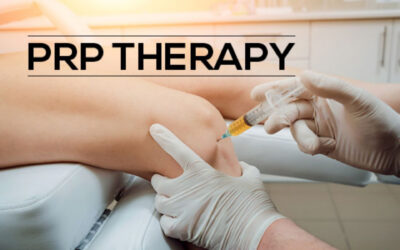
One of the virtues of PRP therapy is that it is quite minimally invasive. The treatment usually consists of taking blood and then injecting and processing it, thus making it even more useful for those seeking alternatives to surgery. PRP therapy is appropriate for those seeking biological alternatives, as it uses the individual’s blood – that is why the treatment is devoid of side effects.
Another advantage of PRP therapy is its versatility. It can be used to treat joint pain, tendon injuries, ligament strains, and sports-related injuries. Additionally, patients appreciate the short procedure time and the minimal downtime required. This enables them to go back to their normal activities.
PRP therapy can be particularly beneficial for individuals in the early to moderate stages of tissue damage, as it can stimulate healing and reduce inflammation, helping prevent further deterioration.
A Minimally Invasive Path Toward Tissue Recovery
Stem Cell therapy is yet another significant breakthrough in regenerative medicine. Stem cells possess a remarkable ability to promote tissue regeneration, differentiating into various cell types that support the repair process. In a regenerative treatment, these cells are harvested from a patient’s body and injected into the desired area where treatment is required.
One of the key advantages associated with Stem Cell therapy is its ability to promote extensive tissue repair. Such a therapy would most likely be employed when a higher level of tissue degradation has been observed. Use of these cells will create an environment that could potentially enhance repair, regeneration, and function.
Stem Cell treatment is also regarded as beneficial for maintaining joint and tissue health over a longer period. Since it targets not only inflammation but also structural problems, it would work well for people with chronic issues or those dealing with progressive joint problems.
Another benefit is its personalized nature. Since stem cells are obtained from the patient, the therapy is designed to work in harmony with the body’s natural healing processes. This personalized approach aligns well with patients seeking advanced, patient-centric care under professional medical supervision.
Choosing the Right Approach for Your Needs
Both PRP and Stem Cell therapy offer meaningful benefits, but the most suitable option depends on several individual factors. These may include the type and severity of the injury, overall health, activity level, treatment goals, and professional medical recommendations.
PRP therapy may appeal to individuals seeking a minimally invasive option to support healing in mild to moderate conditions. Stem Cell therapy may be considered by those looking for a regenerative approach that addresses more advanced or chronic tissue concerns. Importantly, neither treatment should be viewed as a universal solution. Each has its place within regenerative medicine, and the choice should be guided by a thorough medical evaluation.
Consultation with a qualified healthcare professional is essential to determine which treatment aligns best with your condition. A detailed assessment allows for a personalized treatment plan that prioritizes safety, effectiveness, and realistic outcomes.
The Role of Professional Guidance
While regenerative treatments offer promising benefits, their success depends heavily on proper diagnosis, appropriate patient selection, and expert application. Professional medical guidance ensures that patients receive accurate information, realistic expectations, and care tailored to their specific needs.
A comprehensive consultation helps clarify the potential benefits of PRP and Stem Cell therapy without overstating outcomes. It also allows patients to understand the process, post-treatment care, and the importance of follow-up in achieving optimal results.
Conclusion
PRP therapy and Stem Cell therapy both play valuable roles in modern regenerative medicine. Each treatment offers distinct benefits and supports the body’s natural healing processes in different ways. Rather than choosing one over the other based on general assumptions, patients are encouraged to consider their individual condition, treatment goals, and medical advice.
By consulting experienced professionals and exploring personalized treatment options, individuals can make informed decisions that support long-term health and recovery. For those seeking expert guidance in regenerative care, Orthobiologix Clinic in Mumbai offers professional evaluation and treatment options designed to align with patient-specific needs and evidence-based regenerative practices.
Disclaimer: The information in this article is intended for educational purposes only and should not replace professional medical advice. Please consult a qualified orthopaedic specialist for diagnosis and treatment recommendations.
KEYWORDS:
PRP vs stem cell therapy for injuries, choosing PRP or stem cell treatment for musculoskeletal injuries, difference between PRP and stem cell therapy for healing, regenerative treatment options for joint and soft tissue injuries, PRP therapy for mild to moderate tissue damage, stem cell therapy for chronic musculoskeletal conditions, how PRP supports natural tissue healing, how stem cell therapy promotes long-term recovery, non-surgical regenerative treatments for pain and injury, biologic treatments for musculoskeletal healing, personalized regenerative treatment plans for injuries, regenerative medicine approaches for tissue repair, PRP treatment benefits for sports and tendon injuries, stem cell therapy for progressive joint and tissue damage, regenerative therapies that support the body’s natural healing process, minimally invasive regenerative treatments for chronic pain, when to choose PRP therapy for injury recovery, when stem cell therapy is recommended for tissue repair, patient-centered regenerative medicine for injury treatment, professional guidance for PRP and stem cell therapy decisions
best regenerative medicine clinic for joint and soft tissue injuries, best PRP treatment center for tendon injuries, best stem cell therapy clinic for sports injuries, best non-surgical treatment for tendon and ligament pain, best orthobiologics clinic for regenerative healing, best PRP therapy for chronic musculoskeletal pain, best stem cell treatment for ligament and tendon recovery, trusted regenerative medicine center for sports injuries, advanced regenerative treatments for pain and mobility restoration, non-surgical regenerative solutions for chronic injuries, personalized regenerative care for musculoskeletal conditions, evidence-based PRP and stem cell treatments for healing, comprehensive regenerative orthobiologics center, regenerative treatments for long-term injury recovery, natural healing-focused regenerative medicine clinic